
 Facebook
 X
X
 Pinterest
 Copy Link
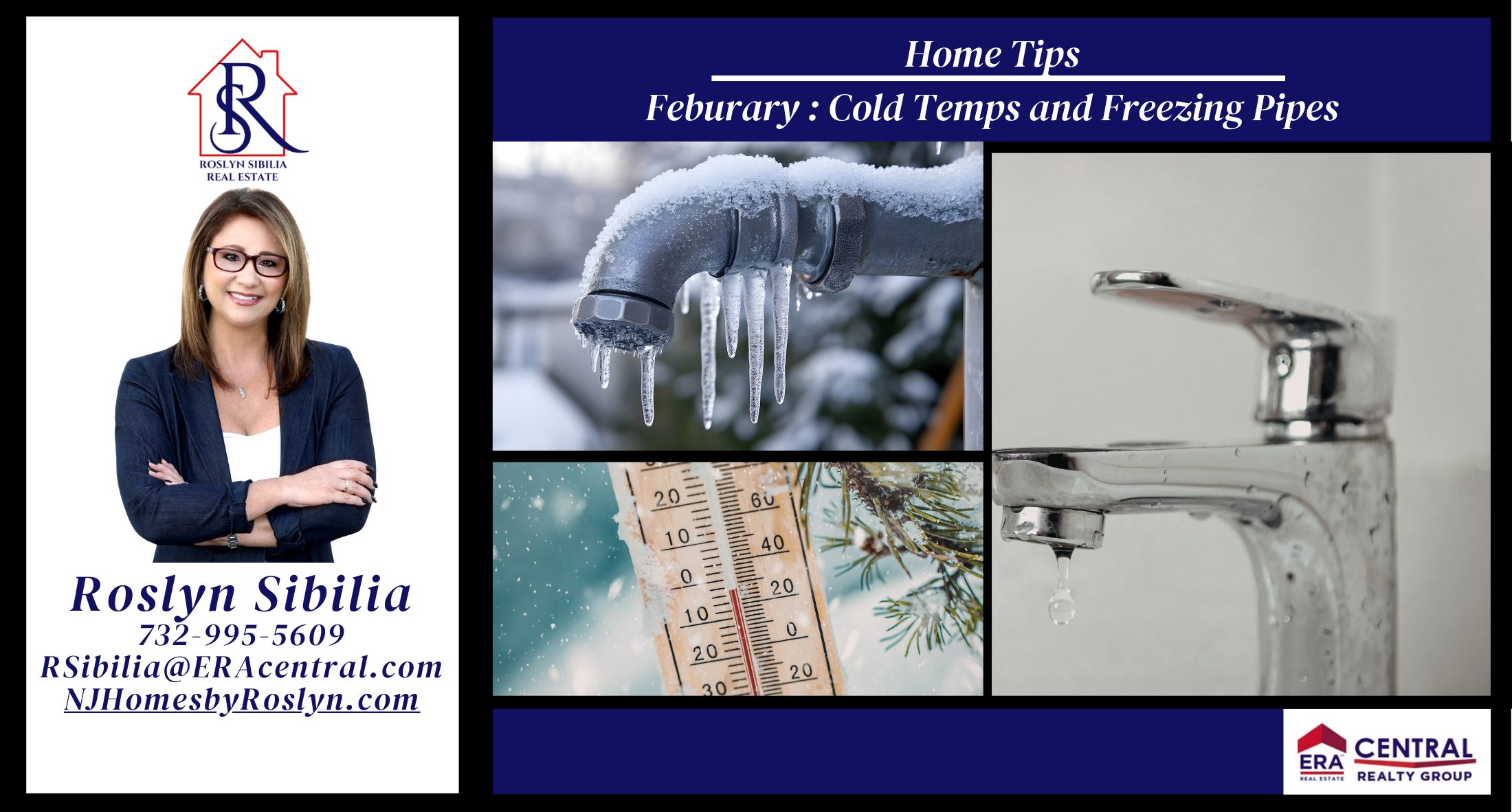
How to Prevent Frozen Pipes: A Winter Must-Know for Homeowners
When winter temperatures drop, frozen pipes become one of the most common—and expensive—home emergencies. In fact, a single frozen pipe can burst and cause thousands of dollars in water damage. Fortunately, with a little preparation, you can significantly reduce your risk.
In this guide, you’ll learn exactly how to prevent frozen pipes, why they freeze in the first place, and what to do when temperatures plunge. Whether you’re a new homeowner or have lived in your home for years, these tips are simple, effective, and easy to follow.
Why Do Pipes Freeze in Cold Weather?
Pipes freeze when temperatures drop below 32°F, especially in areas with poor insulation. As water freezes, it expands. As a result, pressure builds inside the pipe, which can cause it to crack or burst.
Most often, frozen pipes occur in:
- Basements and crawl spaces
- Garages
- Exterior walls
- Under kitchen and bathroom sinks
- Vacation or vacant homes
Because these areas are exposed to cold air, they require extra attention during winter months.
How to Prevent Frozen Pipes in Winter
The good news? Preventing frozen pipes doesn’t have to be complicated. By taking a few proactive steps, you can protect your plumbing and your home.
1. Insulate Exposed Pipes
First and foremost, insulation is key. Wrap exposed pipes with foam pipe sleeves, heat tape, or fiberglass insulation—especially in unheated areas. This added layer helps keep pipes warm even during extreme cold.
2. Keep Your Thermostat Consistent
Next, maintain a steady indoor temperature. While it may be tempting to lower the heat at night, doing so can increase the risk of freezing. Instead, keep your thermostat set to the same temperature day and night.
3. Let Faucets Drip During Extreme Cold
During particularly cold nights, allow faucets to drip slightly. Moving water is less likely to freeze, and even a slow drip can relieve pressure inside the pipe.
4. Open Cabinet Doors
Additionally, opening cabinet doors under sinks allows warm air to circulate around plumbing. This is especially important for sinks located on exterior walls.
5. Disconnect Outdoor Hoses
Before winter fully sets in, disconnect garden hoses and shut off exterior water lines. Then, drain any remaining water. This step alone can prevent freezing and cracking in outdoor pipes.
6. Seal Air Leaks
Cold air can sneak in through small cracks and gaps. Therefore, seal openings around doors, windows, and where pipes enter the home using caulk or weather stripping.
What to Do If You Suspect a Frozen Pipe
If you turn on a faucet and only a trickle comes out, you may already have a frozen pipe. In that case:
- Turn off the water supply immediately
- Gently warm the pipe using a hair dryer or space heater
- Never use an open flame
- Call a licensed plumber if you’re unsure or see signs of leaking
Acting quickly can help minimize damage and prevent a burst pipe.
Winter Home Care Pays Off
Ultimately, a little prevention goes a long way. By following these winter home care tips, you not only protect your pipes—you protect your entire home and your peace of mind.
If you’re thinking about selling your home, proactive maintenance like this also makes a strong impression on buyers. Well-maintained homes signal pride of ownership and reduce inspection concerns.
Helpful Resources
- Learn more about winter home maintenance from the Insurance Institute for Business & Home Safety
- Plumbing safety tips from the American Red Cross
Save this for later — and follow me each week for more home tip ideas. And if you are thinking of selling your home I have great tips for that, too❗
 Roslyn Sibilia, Realtor®
📞 732-995-5609 | 📧 RSibilia@ERAcentral.com | 🌐 NJHomesbyRoslyn.com
Serving Home Buyers and Sellers with Proven Results in Monmouth, Ocean and Middlesex Counties Since 2003
#REsultsWithRoslyn | #SuccessWithSibilia | #SibiliaSellsNJ


